

For any prestige vehicle owner in Greater Manchester, the initial allure of a fresh wrap is undeniable. Whether it is a deep satin finish or a striking colour change, the aesthetic transformation is instant. However, a common question often arises once the vehicle leaves the controlled environment of the workshop: will the sun eventually rob the vinyl of its vibrancy? The short answer is that while all materials interact with UV rays, a premium car wrap fade is not an inevitability that should deter you from the investment. Many common questions about vehicle wrapping answered by our team highlight that modern films are more resilient than ever.
The Reality of UV Rays and Vinyl Durability
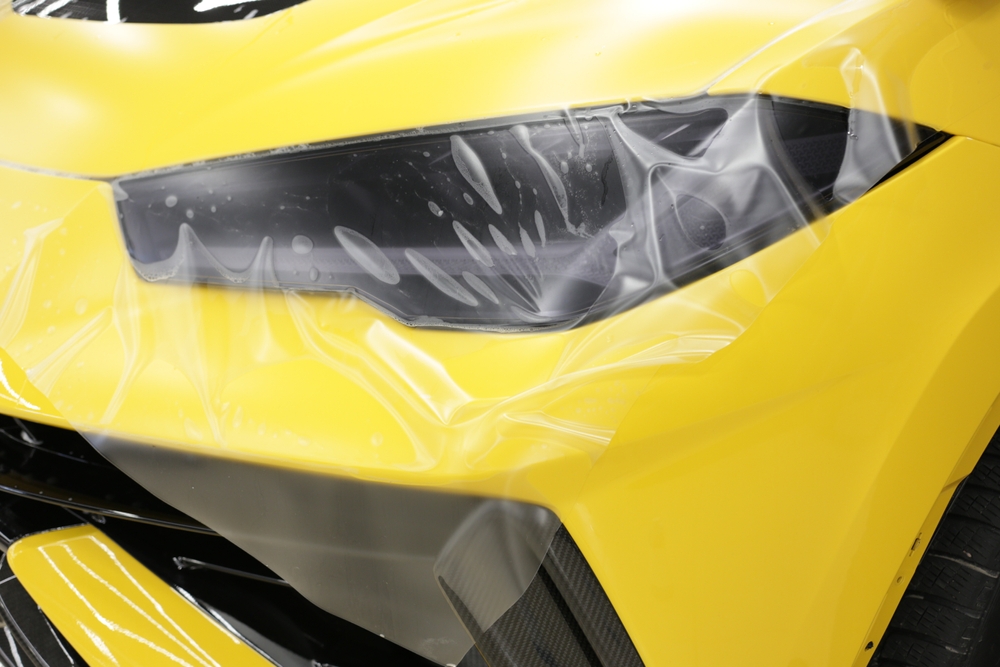
Modern vehicle wraps are sophisticated pieces of material science, engineered specifically to withstand the rigours of the British climate. While we might not enjoy Mediterranean heat year-round, UV radiation is a constant factor that acts on every exterior surface of a car. When people ask what is a vehicle wrap, they are often surprised to learn it is a high-grade cast vinyl designed to act as a sacrificial barrier.
Sunlight causes fading through a process called photodegradation. Essentially, UV rays break down the chemical bonds in the pigments of the vinyl. However, top-tier manufacturers incorporate UV inhibitors directly into the film during production. This means the durability of a professional installation is significantly higher than cheaper alternatives. At Car Specialist Customs, we only utilise premium materials to ensure that the rich depth of colour you choose on day one remains consistent for years to come. Prospective clients often wonder how much does a full vehicle wrap cost, and the answer often depends on the quality of these UV-resistant materials.
How Material Quality Prevents Premature Fading
The quality of the film is the single most important factor in determining how long a vehicle wrap lasts. Budget films often lack sufficient UV protection, leading to a noticeable fade within just twelve to eighteen months. In contrast, professional-grade cast vinyl is designed to last between five and seven years, depending on the specific finish and how the vehicle is stored.
It is also worth noting that different colours react differently to sun exposure. Bright reds and yellows, for instance, historically tend to absorb more UV energy than silver or white finishes. When you are deciding how to choose the best colours for your vehicle wrap, our team can advise on which pigments offer the greatest resistance to the sun if your vehicle is frequently parked outdoors without cover. We can even advise on whether you can wrap plastic bumpers and exterior trim using specific textured films that hold up well under direct exposure.
The Protective Role of Overlaminates
Expert installers do not just apply a single layer of colour. Most premium wraps consist of the base vinyl and a protective clear overlaminate. This top layer acts much like the clear coat on a traditional paint job, providing a secondary shield against UV rays and minor abrasions. This is one reason why vehicle wrapping vs paint is such a debated topic; a wrap provides a level of UV protection for the original paintwork underneath, effectively freezing the condition of your factory finish.
Practical Steps to Stop Your Car Wrap Fading
While the quality of the installation at our Rochdale workshop provides the foundation, preventing car wrap fade involves a level of ongoing care from the owner. You do not need a climate-controlled museum, but a few simple habits can extend the life of the film by several years.
- Seek Shade Where Possible: It sounds obvious, but parking in a garage or under a carport significantly reduces the cumulative UV load on the vinyl.
- Regular Cleaning: Dirt and pollutants can become “baked” into the surface by the sun, accelerating the degradation of the top layer. Learning how to clean a wrapped vehicle correctly using pH-neutral shampoos is essential.
- Apply a Ceramic Coating: For the ultimate UV protection, many clients opt for a ceramic coating over the wrap. This adds a hard, hydrophobic layer that further filters out harmful rays.
- Avoid Harsh Chemicals: Never use abrasive polishes or solvent-based cleaners, as these can strip away the UV-resistant properties of the laminate. Do not pressure wash a wrapped car with excessive force or at close range, as this can compromise the edges.
Addressing Common Concerns About Sunlight and Heat
Beyond simple fading, some owners worry that the heat of the sun might cause the adhesive to fail or the edges to peel. This is where the expertise of the installer becomes critical. We ensure every surface is perfectly prepared, often discussing with clients do you have to sand a car before wrapping it (usually no, unless there is existing damage) to ensure maximum adhesion. It is also important to consider surface integrity; for example, we must evaluate if you can wrap a car with rust, as solar heat can cause gases to expand under the vinyl if the substrate is failing.
If you are concerned about existing imperfections, such as whether you can wrap a car that has stone chips, we address these before the film is applied. Furthermore, if the vehicle has been recently painted, you must ask how long after a respray can you wrap a car to ensure the paint has fully outgassed. A smooth, well-bonded wrap is far less likely to suffer from heat-related lifting. For those driving modern cars, we also ensure that the film is applied with precision, knowing exactly how to wrap over parking sensors and cameras without affecting their functionality.
What to Do if Fading Occurs
If you notice a specific area of your vehicle is beginning to lose its lustre—perhaps a horizontal surface like the bonnet or roof that takes the brunt of the midday sun—you do not necessarily need a full redo. Often, a damaged section of car wrap can be replaced individually. Because we keep records of the specific materials used, we can provide solutions that involve swapping out a single panel to restore the uniform look of the vehicle. In cases of extreme degradation, it is reassuring to know can vehicle wraps be removed easily without damaging the underlying surface.
The Value of a Long-Lasting Finish

When considering the maintenance and the potential for fading, it is helpful to view the wrap as a dual-purpose investment. It provides the custom aesthetic you desire while protecting the resale value of the car. Many customers ask does a vehicle wrap ruin the paint; in fact, by absorbing the UV damage that would otherwise hit your clear coat, the wrap preserves the paint. It is also wise to check how does wrapping a car affect insurance, as many providers view the protective nature of a wrap as a positive modification. This makes it a highly attractive option for those who wrap a leased vehicle and need to return it in pristine condition.
Whether you are looking for Bury car wrapping, Oldham car wrapping, or services in Huddersfield and Rochdale, the key to longevity is starting with the right materials. While a wrap is generally cheaper than paint for a full colour change, the real value lies in its ability to be removed years later, revealing factory-fresh paint underneath because the vinyl took the brunt of the sun’s power.
If you are ready to transform your vehicle with a finish built to last, exploring the professional vehicle wraps options at Car Specialist Customs is the best first step. From initial colour selection to the final installation process, our focus is on ensuring your car looks as vibrant three years from now as it does the moment it rolls out of our bay. You can learn more about the process by visiting our vehicle wrapping page or contact our team to discuss a bespoke protection plan for your car.