

The first stone chip on a bonnet is always the most annoying one, especially on a car you’ve kept spotless. When you’re weighing up vehicle wraps to change the look or add some protection, existing chip damage is a fair question to ask about upfront. You can wrap over stone chips. Whether you should, and what it’ll actually look like afterwards, depends on how bad the damage is and how the panel gets prepped first.
How Stone Chips Interact With Vinyl Film
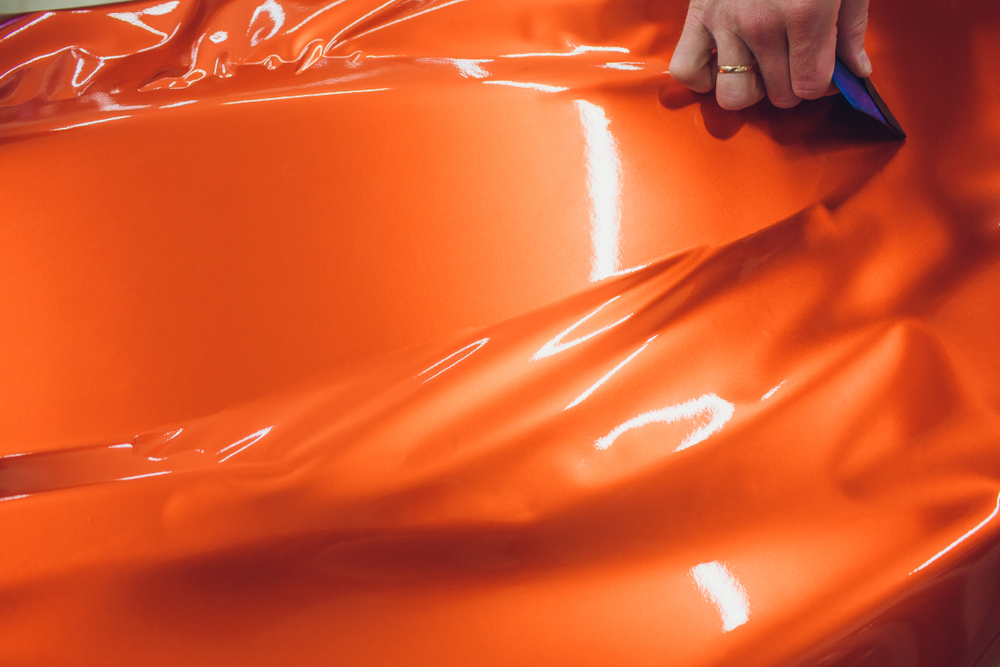
Vinyl wrap is thin and follows the contours of the bodywork closely, it isn’t a filler layer. If there’s a physical dent or crater from a stone chip, the film tends to sink into it rather than hide it, and can actually draw the eye to the damage as light catches the uneven surface differently. Worth knowing before you book, so there are no surprises once it’s on. If you want the full picture on what a vehicle wrap actually is and how it behaves on the panel, that’s a good starting point.
There’s a longer-term issue too. Vinyl needs a clean, flat surface to bond to properly. If the paint around a chip is loose or flaking, the wrap’s adhesive can pull that paint away from the panel as it settles, leaving air pockets that show up later as bubbling or lifting.
Does the Finish of the Wrap Make a Difference?
Yes, and it’s worth thinking about if chip damage is a concern. Gloss finishes reflect light evenly, which tends to show up every small defect underneath. Matte and satin finishes diffuse the light instead, so they’re more forgiving on shallow chips. Neither will hide a proper crater or a bumper covered in road rash though. If colour and finish is still an open question, our guide on choosing the best colours for your wrap is worth a read alongside this.
Why Surface Preparation Is Non-Negotiable
We inspect every car properly before we touch a squeegee. If a car arrives at our Rochdale workshop with noticeable chip damage, we’ll tell you honestly what needs doing to that area before wrapping, rather than wrapping over it and hoping for the best.
For most stone chips, that means sanding the affected areas level with the surrounding clear coat, not the whole panel. Skip this and the sharp edges of a chip can pierce the vinyl from underneath, either during fitting or over months of expansion and contraction through a North West winter.
Levelling Chips Before We Wrap
For a proper finish, we fill and sand chips flush with the surrounding paint before anything goes near the panel. Once that’s done, the surface bonds the way it’s supposed to, which also means the wrap comes off cleanly if you ever want to change the look again.
Long-Term Value and Protection
A good wrap acts as a sacrificial layer once it’s on, taking new chips instead of your factory paint underneath. That’s part of why it’s a popular way to protect a prestige car’s resale value while getting a fresh look at the same time. It only works properly if the paint underneath was sound to begin with, so addressing existing chips first protects how long the wrap itself lasts, not just how it looks on day one.
Common Questions
Can You Wrap Directly Over Stone Chips? Yes, but the finish will usually reflect the damage underneath unless it’s levelled first. For anything beyond a few shallow chips, we’d recommend prepping the area before wrapping.
Do You Have to Sand the Whole Car First? No, just the affected areas. Sanding before wrapping is only needed where there’s damage to level out, not the rest of the bodywork.
Will Removing the Wrap Later Damage the Paint Underneath? Not if the surface was properly prepped and the film was fitted correctly. Vehicle wraps can be removed cleanly when that’s the case.
 Book a Consultation
Photos rarely show how deep a chip actually is, so we’d always rather take a proper look before quoting. We cover Rochdale, Bury, Oldham, and Huddersfield, so get in touch and we’ll give you a straight answer on what your car needs before it gets wrapped.